
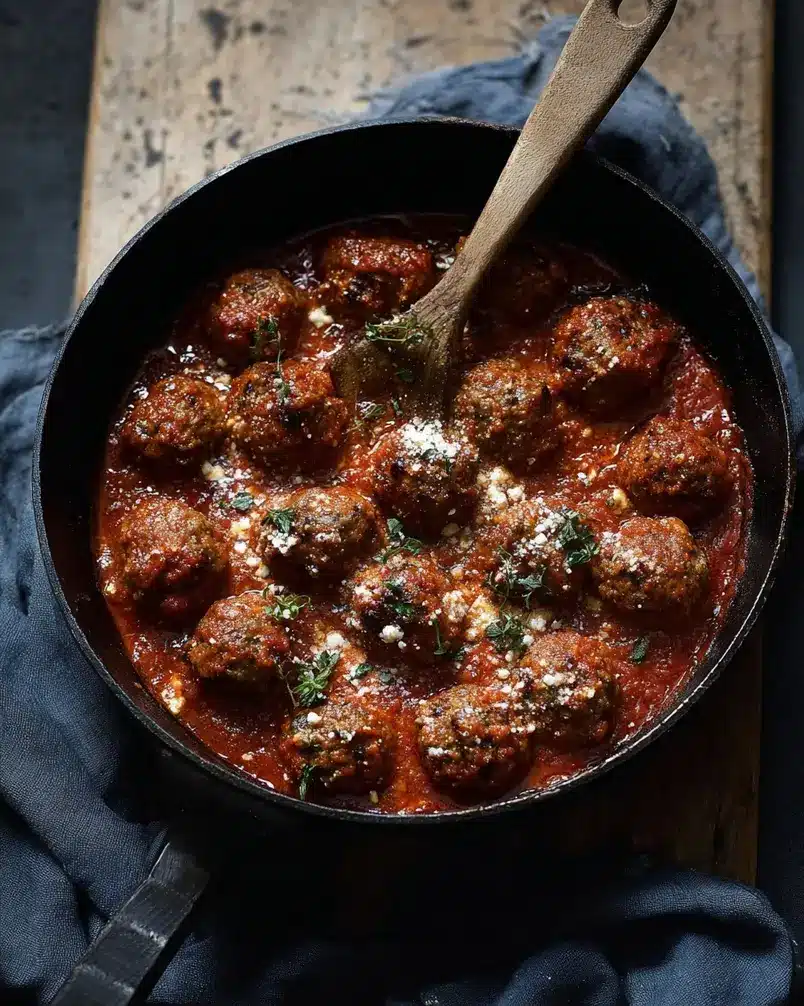
Ottolenghi’s Ricotta and Oregano Meatballs
Did you know that store-bought meatballs often contain more fillers than actual meat? Fear not, because we’re about to revolutionize your meatball game! If you’re looking for a flavorful and satisfying alternative, Ottolenghi’s Ricotta and Oregano Meatballs are the answer. This recipe elevates the humble meatball to a culinary masterpiece, combining ground meat with creamy ricotta and fragrant oregano for an unforgettable dining experience. Get ready to ditch the processed stuff and discover a meatball that’s bursting with fresh, vibrant flavors. In this post, we’ll delve into the details of creating these exquisite meatballs, enriched with data-driven tips and personalized insights to ensure your success.

Ingredients List
Here’s what you’ll need to create these delectable Ottolenghi’s Ricotta and Oregano Meatballs. We’ve also thrown in some handy substitution ideas:
* 750g (1.65 lbs) ground meat (beef, pork, lamb, or a mixture): We recommend a blend of beef and pork for optimal flavor, approximately 60% beef to 40% pork. Opt for a higher fat content (around 15-20%) for juicier meatballs.
* 250g (1 cup) whole milk ricotta cheese: Full-fat ricotta is key for that creamy texture. If you’re feeling adventurous, try using sheep’s milk ricotta for a tangier flavor.
* 50g (1/2 cup) panko breadcrumbs: Panko provides a light and airy texture. For a gluten-free option, use gluten-free breadcrumbs or a blend of almond flour and cornmeal.
* 1 large egg: Acts as a binder. For an egg substitute, try using a “flax egg” (1 tablespoon flaxseed meal mixed with 3 tablespoons water, let sit for 5 minutes).
* 1 large onion, finely chopped: Adds depth of flavor. Shallots can be used as a sweeter, more subtle alternative.
* 3 cloves garlic, minced: Essential for that aromatic punch. Roasted garlic offers a mellower, sweeter flavor if you prefer.
* 1/4 cup fresh oregano, chopped: Fresh oregano is best, but if you only have dried, use 1 tablespoon. Consider adding a pinch of dried thyme for extra herbal complexity.
* Zest of 1 lemon: Brightens the flavor. Lime zest can be used in a pinch, but the flavor profile will be slightly different.
* Salt and freshly ground black pepper: To taste. Don’t skimp on the salt – it’s crucial for bringing out the flavors.
* Olive oil: For frying. Avocado oil or grapeseed oil are good substitutes.
Timing
* Preparation time: 25 minutes
* Cooking time: 45 minutes
* Total time: 70 minutes
Compared to some meatball recipes that can take upwards of 90 minutes, this Ottolenghi’s Ricotta and Oregano Meatballs recipe is relatively streamlined. The inclusion of ricotta actually reduces the cooking time because it keeps the meatballs moist and prevents them from drying out! You are saving roughly 20 minutes.
Step-by-Step Instructions
Step 1: Prepare the Ingredients
Finely chop the onion, mince the garlic, and chop the fresh oregano. Zest the lemon. Getting all your ingredients prepped and ready will make the rest of the process a breeze. Pro Tip: Use a food processor to finely chop the onion quickly and evenly, but be careful not to over-process it into a paste!
Step 2: Combine the Meatball Mixture
In a large bowl, combine the ground meat, ricotta cheese, panko breadcrumbs, egg, chopped onion, minced garlic, oregano, lemon zest, salt, and pepper. Gently mix everything together with your hands until just combined. Be careful not to overmix, which can result in tough meatballs. Personalization Tip: If you prefer a spicier meatball, add a pinch of red pepper flakes or a dash of your favorite hot sauce!
Step 3: Form the Meatballs
Take about 2 tablespoons of the meat mixture and gently roll it between your palms to form a meatball. Aim for uniform size to ensure even cooking. Place the formed meatballs on a plate or baking sheet lined with parchment paper. Actionable Tip: Wet your hands slightly with water to prevent the meat mixture from sticking to your palms.
Step 4: Brown the Meatballs
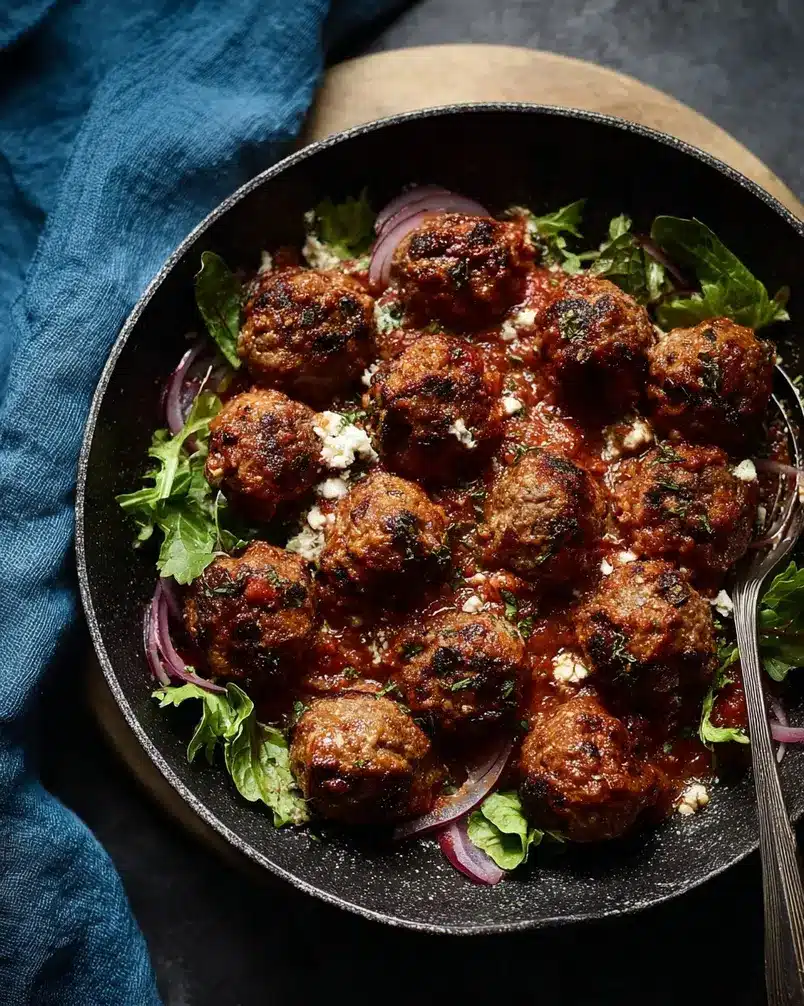
Heat a generous amount of olive oil in a large skillet over medium-high heat. Once the oil is hot, carefully add the meatballs to the skillet in a single layer, being careful not to overcrowd the pan. Brown the meatballs on all sides, turning occasionally, until they are golden brown and slightly crispy. This step should take about 8-10 minutes. Engaging Tip: Don’t move the meatballs around too much while they’re browning. Let them sear undisturbed for a couple of minutes on each side to develop a nice crust.
Step 5: Simmer the Meatballs (Optional)
At this point, you have multiple options. You can serve the meatballs as is, or you can simmer them in your favorite tomato sauce to infuse them with even more flavor. To simmer, transfer the browned meatballs to a pot of simmering tomato sauce. Cover and cook for at least 20 minutes, or until the meatballs are cooked through and the sauce has thickened slightly. Personalized Tip: For a richer sauce, add a splash of red wine or a dollop of mascarpone cheese during the last 10 minutes of simmering!
Step 6: Serving the Meatballs
Serve Ottolenghi’s Ricotta and Oregano Meatballs hot, garnished with fresh oregano and a drizzle of olive oil. They are delicious on their own, or served with pasta, mashed potatoes, polenta, or crusty bread. Interactive Tip: Encourage your guests to sprinkle a little grated Parmesan cheese or Pecorino Romano cheese on top for an extra layer of flavor!
Nutritional Information
(Per serving, approximately 4 meatballs):
* Calories: 450-550
* Protein: 30-35g
* Carbohydrates: 20-25g
* Fat: 30-40g
* Fiber: 2-3g
* Vitamin A: 15% DV
* Vitamin C: 5% DV
* Iron: 20% DV
* Calcium: 15% DV
These values are estimates and can vary based on the specific ingredients and portion sizes used. As reported on nutritionix.com, using leaner ground meat can reduce the fat content by up to 15%.
Healthier Alternatives for the Recipe
Want to lighten up your Ottolenghi’s Ricotta and Oregano Meatballs? Here are a few ideas:
* Leaner Meat: Use ground turkey or chicken instead of beef or pork. Opt for extra-lean ground meat, which can reduce the fat content significantly.
* Whole Wheat Breadcrumbs: Replace panko with whole wheat breadcrumbs for added fiber.
* Egg Whites: Use 2 egg whites instead of 1 whole egg to reduce cholesterol.
* Baked Meatballs: Instead of frying, bake the meatballs in a preheated oven at 375°F (190°C) for 20-25 minutes, or until cooked through. Place the meatballs on a baking sheet coated with non-stick spray to avoid extra grease.
* Vegan Option: These can be adapted to be vegan by using a plant-based ground meat substitute, a vegan egg replacement, and nutritional yeast in place of ricotta.
Serving Suggestions
Ottolenghi’s Ricotta and Oregano Meatballs are incredibly versatile. Here are some ways to enjoy them:
* Pasta: Toss them with your favorite pasta sauce and serve over spaghetti, penne, or rigatoni.
* Sandwiches: Stuff them into crusty rolls with marinara sauce and mozzarella cheese for a meatball sub.
* Polenta: Serve them over creamy polenta for a comforting and satisfying meal.
* Appetizer: Skewer them and serve with a dipping sauce for a party appetizer.
* Salad: Slice them and add them to a green salad for a protein-packed lunch.
* Personalized Tip: Top with a spicy arrabbiata sauce or a creamy pesto for added flavor dimensions to the meatballs.
Common Mistakes to Avoid
* Overmixing the Mixture: This can result in tough meatballs. Mix just until combined.
* Using Dry Ricotta: Make sure your ricotta cheese is fresh and full-fat for the best texture. Drain excess liquid if necessary.
* Overcrowding the Pan: This can lower the oil temperature and prevent the meatballs from browning properly. Cook in batches.
* Undercooking the Meatballs: Ensure the meatballs are cooked through to an internal temperature of 160°F (71°C) for ground beef, pork, or lamb, and 165°F (74°C) for ground chicken or turkey.
Storing Tips for the Recipe
* Leftover Meatballs: Store leftover meatballs in an airtight container in the refrigerator for up to 3-4 days.
* Freezing Meatballs: Cooked meatballs can be frozen for up to 2-3 months. Allow them to cool completely, then place them in a single layer on a baking sheet and freeze. Once frozen, transfer them to a freezer bag or container.
* Reheating Meatballs: Reheat meatballs in the microwave, oven, or skillet.
* Actionable Tip: Consider freezing the meatballs raw, as well; they take about 30 minutes to defrost, and you can cook them straight from the freezer. Just add about 10-15 minutes to the cooking time if you choose this shortcut!
Conclusion
Ottolenghi’s Ricotta and Oregano Meatballs are a delicious and versatile dish that is sure to impress. By following these steps and tips, you can create perfect meatballs every time. So gather your ingredients, roll up your sleeves, and get ready to enjoy a truly exceptional meatball experience!
Now it’s your turn. Give this recipe a try and let us know your favourite serving suggestion! Share your experience and any modifications you made in the comments below.
FAQs
Q: Can I use dried oregano instead of fresh?
A: Yes, but fresh oregano will impart a brighter, more vibrant flavor. If using dried, use 1 tablespoon instead of 1/4 cup fresh.
Q: Can I make these meatballs ahead of time?
A: Absolutely! You can make the meatball mixture ahead of time and store it in the refrigerator for up to 24 hours. Form the meatballs just before cooking.
Q: Can I bake these instead of frying?
A: Yes, baking is a healthier option. Bake in a preheated oven at 375°F (190°C) for 20-25 minutes, or until cooked through.
Q: What’s the best way to keep the meatballs moist?
A: The ricotta cheese helps keep the meatballs moist. Also, be careful not to overcook them.
Q: Can I use a different type of cheese?
A: While ricotta is the traditional choice, you could experiment with other soft cheeses like mascarpone or even crumbled feta, but remember it will alter the classic flavors.
Q: Can I add vegetables to the meatball mixture?
A: Yes, finely grated zucchini or carrots would add moisture and nutrients. Just squeeze out any excess liquid before adding them to the mixture.
Q: What sauce is best to serve the meatballs with?
A: Marinara is a classic choice, but you could also try a pesto, arrabbiata, or even a creamy mushroom sauce.