High-Protein Mason Jar Salad Formula
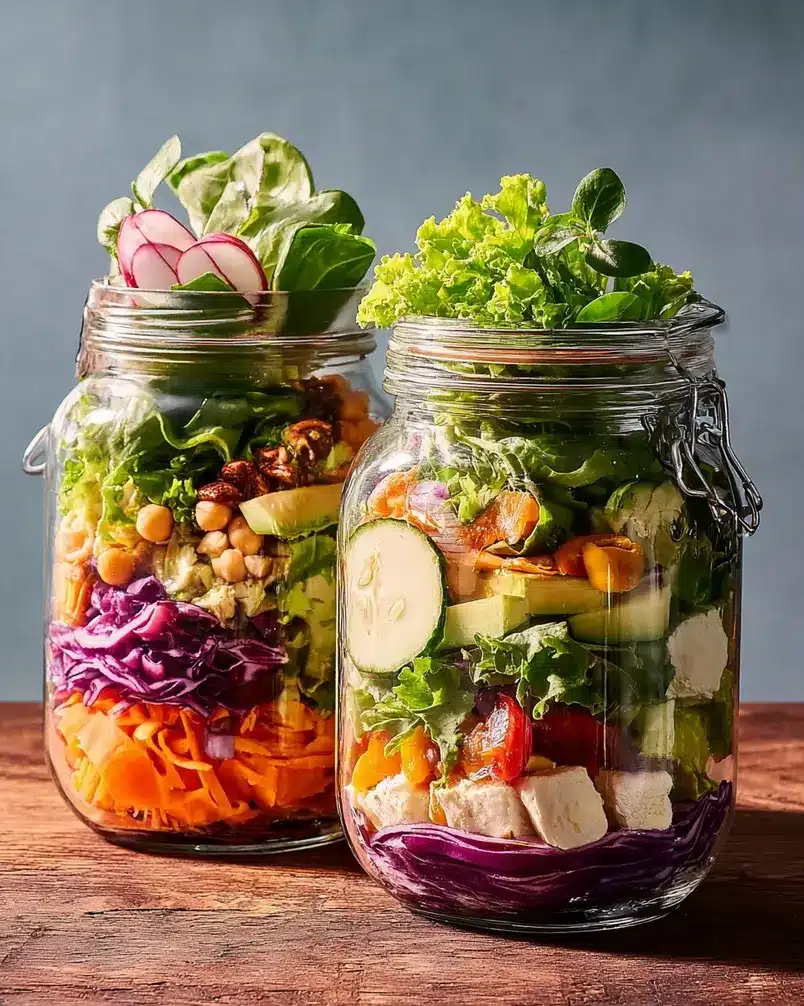
Did you know that only 12% of adults meet the daily recommended protein intake? If you’re struggling to hit your protein goals, you’re not alone! But what if I told you there’s a convenient and delicious way to boost your protein intake, perfect for busy schedules? Enter the high-protein mason jar salad formula – your answer to effortless, healthy, and protein-packed meals. This isn’t just another salad recipe; it’s a strategic way to layer ingredients for maximum flavor and freshness, all while ensuring you get a substantial dose of protein. Let’s dive into how to make your own perfect mason jar salad!

Ingredients List
Crafting the ultimate high-protein mason jar salad formula is an art, and it all starts with the right ingredients. Each component plays a crucial role in both flavor and macronutrient balance. Here’s what you’ll need:
* Base Layer (Dressings & Marinades – 2-3 tablespoons):
Classic Vinaigrette:* Olive oil, balsamic vinegar, Dijon mustard, honey, salt, and pepper.
Creamy Avocado Dressing:* Ripe avocado, Greek yogurt, lime juice, cilantro, garlic, salt, and pepper.
Sesame Ginger Dressing:* Soy sauce, rice vinegar, sesame oil, grated ginger, minced garlic, honey, and red pepper flakes.
* Substitution Tip: For a lower-fat option, use light versions of olive oil or yogurt.
* Hard Vegetables (About 1/2 cup):
* Diced cucumbers
* Chopped bell peppers (red, yellow, or orange)
* Shredded carrots
* Sliced red onions
* Substitution Tip: Radishes or broccoli florets can add a crunchy alternative.
* Protein Source (Aim for 20-30 grams):
* Grilled chicken breast (diced)
* Hard-boiled eggs (sliced or chopped)
* Canned chickpeas (rinsed and drained): A great vegan choice!
* Black beans (rinsed and drained): Another fantastic plant-based protein.
* Cooked quinoa
* Substitution Tip: Tofu or edamame can be used for vegan variations, while shrimp or tuna are good seafood options.
* Soft Vegetables & Fruits (About 1/2 cup):
* Cherry tomatoes (halved)
* Avocado (diced)
* Berries (strawberries, blueberries, raspberries)
* Mango (diced)
* Substitution Tip: Peaches or nectarines work well as seasonal alternatives, adding sweetness.
* Greens (As much as will fit without compacting):
* Spinach
* Romaine lettuce
* Mixed greens
* Kale (massaged with a little olive oil and lemon juice for tenderness)
* Substitution Tip: Arugula or watercress can add a peppery zing.
* Toppings (Optional – 1-2 tablespoons):
* Nuts or seeds (almonds, walnuts, pumpkin seeds, sunflower seeds) for added crunch and healthy fats
* Crumbled feta cheese or goat cheese for a tangy flavor
* Dried cranberries for a touch of sweetness
* Sprouts for freshness
* Substitution Tip: Hemp seeds offer a great protein boost, and nutritional yeast is a vegan “cheesy” option.
Timing
* Preparation Time: 20 minutes
* Cooking Time: (If cooking chicken or quinoa) 20-40 minutes
* Total Time: 40-60 minutes (90 minutes if cooking quinoa or chicken as well!)
The beauty of the high-protein mason jar salad formula is that you can prep multiple jars at once, saving you time throughout the week. Batch cooking can save up to 3 hours a week on average.
Step-by-Step Instructions
Following this high-protein mason jar salad formula recipe
Step 1: Prepare the Ingredients
Wash and chop all vegetables, fruits, and protein sources. If grilling chicken or other proteins, allow them to cool slightly before dicing. Preparing all the ingredients in advance improves preparation speed and convenience
Prepare ingredients effectively. Efficient organization enhances prep speed and meal management.
Step 2: Layer the Dressing
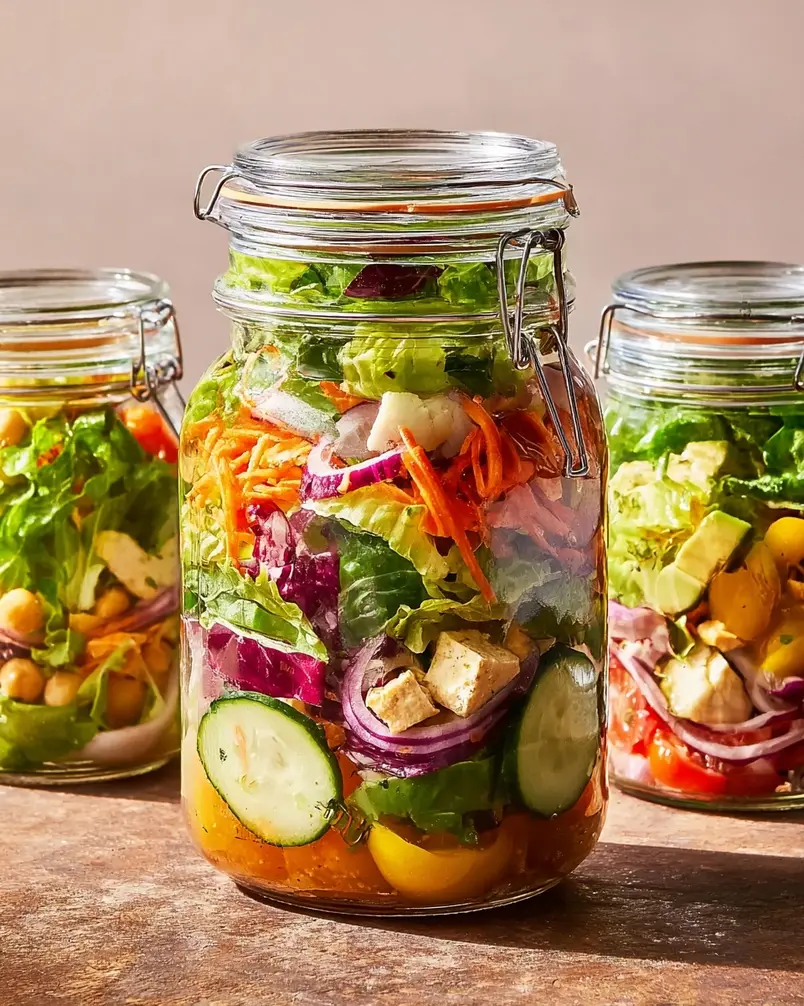
Pour your chosen dressing into the bottom of the mason jar. This prevents the greens from becoming soggy. No soggy salad here!
Start with the dressing. This ensures layers above stay crisp.
Step 3: Add the Hard Vegetables
Layer the hard vegetables (cucumbers, bell peppers, carrots, red onions) on top of the dressing. These vegetables are less likely to become soggy and will help protect the softer ingredients. Their hard texture is optimal if stored for extended periods.
Next, add heavy veggies. This prevents sogginess of the salad ingredients.
Step 4: Add the Protein Source
Add your protein source (chicken, eggs, chickpeas, beans, quinoa) on top of the hard vegetables. This layer is substantial, filling, and nutritious. Proteins help keep hunger at bay, resulting in less snacking in the interim.
Prioritize protein layering. Sustains hunger and supports energy, lasting longer than carbohydrates
Step 5: Add the Soft Vegetables and Fruits
Place the soft vegetables and fruits (cherry tomatoes, avocado, berries, mango) above the protein. These layers provide additional flavor and texture while keeping them from getting squished.
Layer soft components. Delicate fruits stay fresh.
Step 6: Add the Greens
Gently pack the greens (spinach, romaine lettuce, mixed greens, kale) into the top of the jar. Don’t overpack, as you’ll want the greens to have some room. Leaving room to breathe is an excellent recommendation for overall results!
Top with fresh greens. Don’t compact these, to give them room.
Step 7: Add the Toppings (Optional)
If using, sprinkle your toppings (nuts, seeds, cheese, dried cranberries, sprouts) over the greens. These toppings will add crunch and enhance the flavor profile, giving a satisfying outcome.
Sprinkle optional toppings. Amplify the taste and add satisfying textures.
Step 8: Seal and Store
Seal the mason jar tightly and store it in the refrigerator for up to 5 days. Keeping the jar sealed prevents excess air exposure, thus preventing ingredients from spoiling.
Always seal your salad! To maintain freshness, reduce oxygen.
Step 9: Enjoy
When ready to eat, shake the jar to distribute the dressing, or pour the salad into a bowl. It really is that easy!
Shake well salad. Now enjoy the fruits of your labor!
Nutritional Information (Per Serving – Chicken Salad)
* Calories: 450
* Protein: 35g
* Carbohydrates: 30g
* Fat: 20g
* Fiber: 10g
* Vitamin A: 150% DV
* Vitamin C: 80% DV
* Iron: 20% DV
Studies have shown that consuming meals high in protein and fiber can lead to better weight management and increased satiety.
Healthier Alternatives for the Recipe
* Vegan High-Protein Salad: Replace chicken or eggs with tofu, tempeh, or a mix of lentils and quinoa. Use a plant-based dressing like tahini or a simple lemon-tahini mix.
* Low-Carb High-Protein Salad: Reduce the amount of fruit and opt for more non-starchy vegetables. Use avocado or olive oil-based dressings. Cut down on overall carbohydrate use such as bread, rice, corn.
* Gluten-Free High-Protein Salad: Ensure all ingredients, especially dressings, are gluten-free certified.
* Dairy-Free High-Protein Salad: Omit cheese or use dairy-free alternatives like nutritional yeast or vegan cheese.
Serving Suggestions
* Pair this high-protein mason jar salad formula with a side of whole-grain crackers or a slice of whole-wheat bread for added carbohydrates.
* Add a dollop of Greek yogurt or cottage cheese for extra protein and creaminess.
* Serve with a warm cup of soup or a side of grilled vegetables for a more complete meal.
* For a portable lunch, pack the salad along with a piece of fruit and a handful of almonds.
Common Mistakes to Avoid
* Overdressing the Salad: Too much dressing can make the salad soggy. Measure carefully and adjust to taste. Start small to avoid overdoing the flavors and components.
* Adding Soft Ingredients Near the Bottom: Placing soft ingredients near the bottom of the jar can cause them to get crushed and become mushy.
* Not Sealing Tightly: A loose seal can lead to premature spoilage. Ensure the lid is properly tightened, preventing foodborne illness.
* Ignoring Food Safety: Ensure that all ingredients are fresh and properly stored to prevent foodborne illness. Do not use ingredients that look or taste off.
Storing Tips for the Recipe
* Mason jar salads can be stored in the refrigerator for up to 5 days. Make sure ingredients are fresh upon preparation. Discard any salad that looks or smells unusual.
* Store dressings separately and add just before serving to prevent sogginess. Pouring separate helps keep flavors and textures where they belong.
* If prepping ingredients in advance, store them in airtight containers in the refrigerator.
Conclusion
The high-protein mason jar salad formula is a game-changer for anyone looking to simplify healthy eating. Its versatility, convenience, and nutritional benefits make for an ideal choice for busy individuals, health enthusiasts, and anyone in between! Packed with essential nutrients and customizable to your liking, this recipe is a surefire way to meet your protein goals and enjoy a delicious and satisfying meal. Try it today and see how easy it is to create your perfect mason jar salad! Share your favorite variations in the comments below and tag other foodies! Don’t forget to rate this recipe to help us improve and reach even more people who need a boost!
FAQs
Q: Can I use frozen vegetables in my mason jar salad?
A: While you can, it’s not recommended. Frozen vegetables tend to release excess moisture when they thaw, which can make your salad soggy. Fresh vegetables provide better texture and flavor.
Q: How do I prevent my avocado from browning?
A: The best way to prevent avocado from browning is to place it near the top of the jar, away from the dressing, and use a squeeze of lemon or lime juice on the surface. Alternatively, you can add the avocado just before serving.
Q: Can I make this salad the night before?
A: Absolutely! Mason jar salads are designed to be prepped ahead of time. Just be sure to layer the ingredients correctly to maintain freshness and texture.
Q: What if I don’t have mason jars?
A: Any airtight container will work, but mason jars are preferred because they are durable, easy to clean, and stackable. You can also use glass containers or reusable plastic containers.
Q: Can I reheat the protein in the salad?
A: It’s generally not recommended to reheat cold salads as it can wilt the greens and alter the texture. However, if you must reheat the protein, do so separately and then add it to the salad.
Q: Can I add nuts or seeds if I have allergies?
A: If you have nut or seed allergies, it’s important to avoid those ingredients altogether. You can still add crunch by including crispy chickpeas, roasted edamame, or gluten free croutons.
Q: How essential is the order when assembling this salad?
A: It’s more essential than you think. The layering order is important to prevent the greens from getting soggy and to keep the ingredients fresh. Placing soft ingredients closer to bottom can cause them to get messy and crushed! Consider also that proteins and vegetables have optimal spots to prolong shelf life.